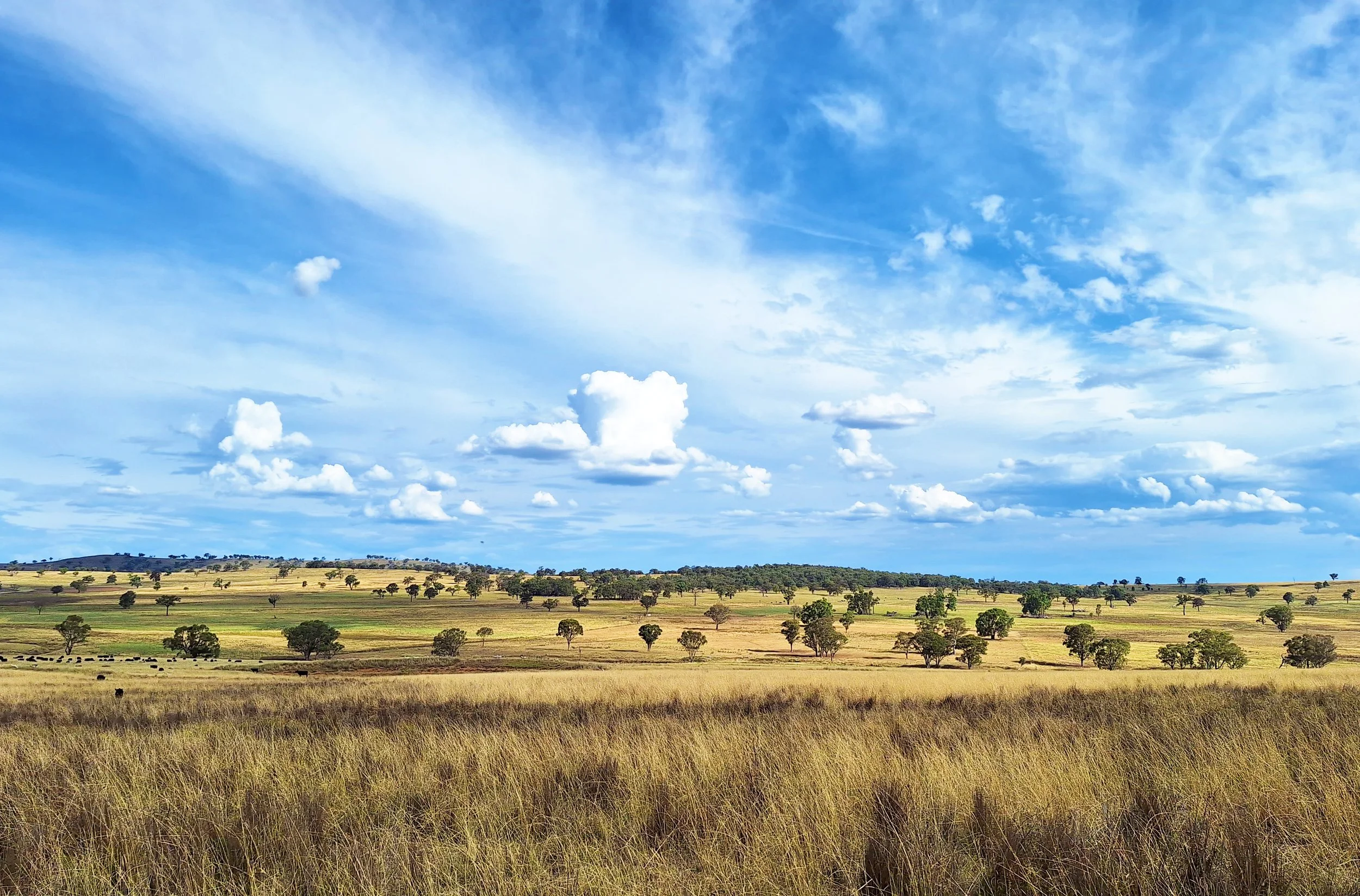
Growing food while focusing on the health of the landscape.
Regeneration
Our main aim is to build soil health and restore ecosystem functions (eg. the water and mineral cycles) by working with nature instead of against it. We don't really like to put ourselves in a box with a label, but the closest term that people are familiar with is Regenerative Farming. It's becoming a bit of a product marketing buzz word so we feel it's important to get to know your farmer and what they stand for.
Holistic management
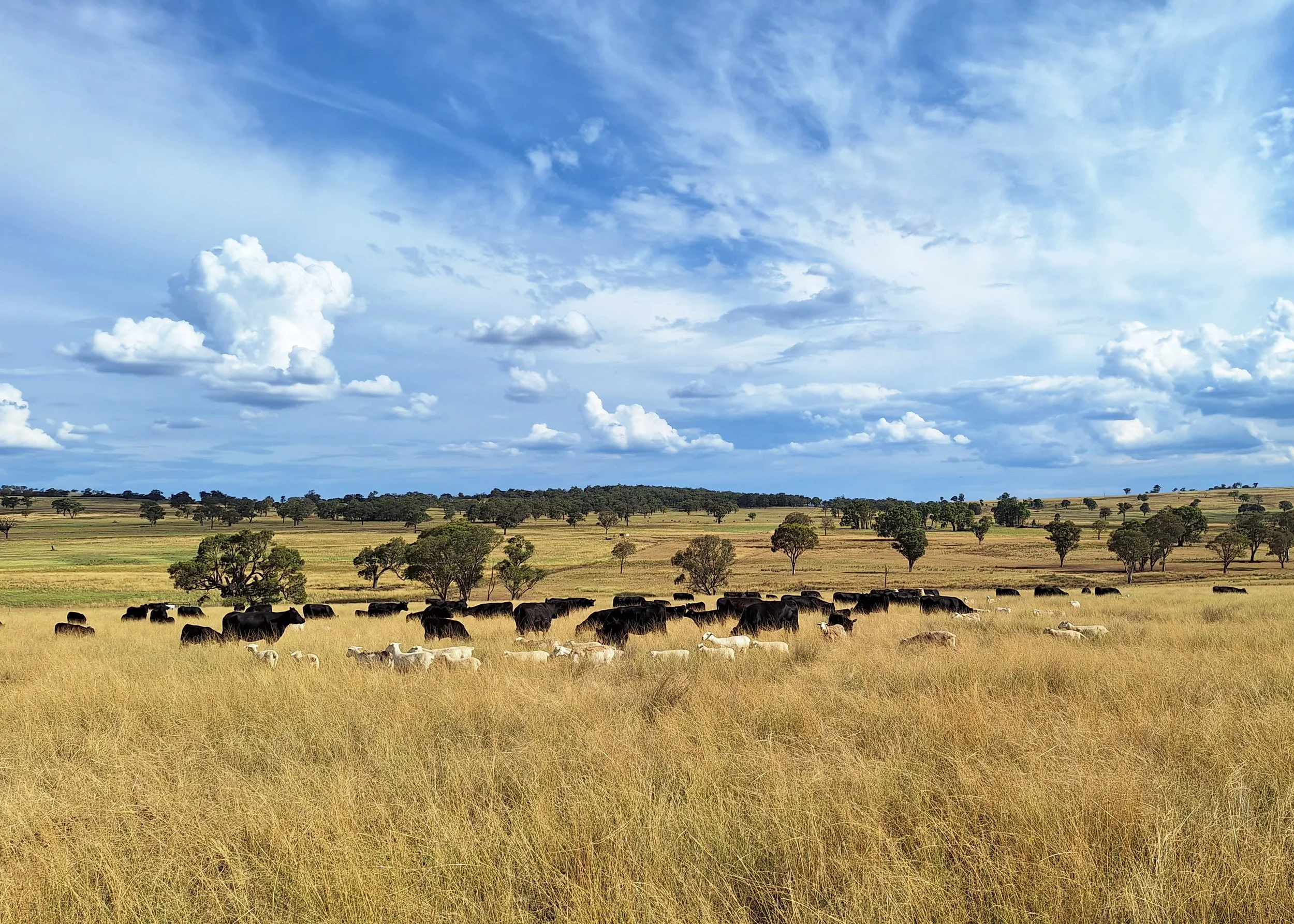
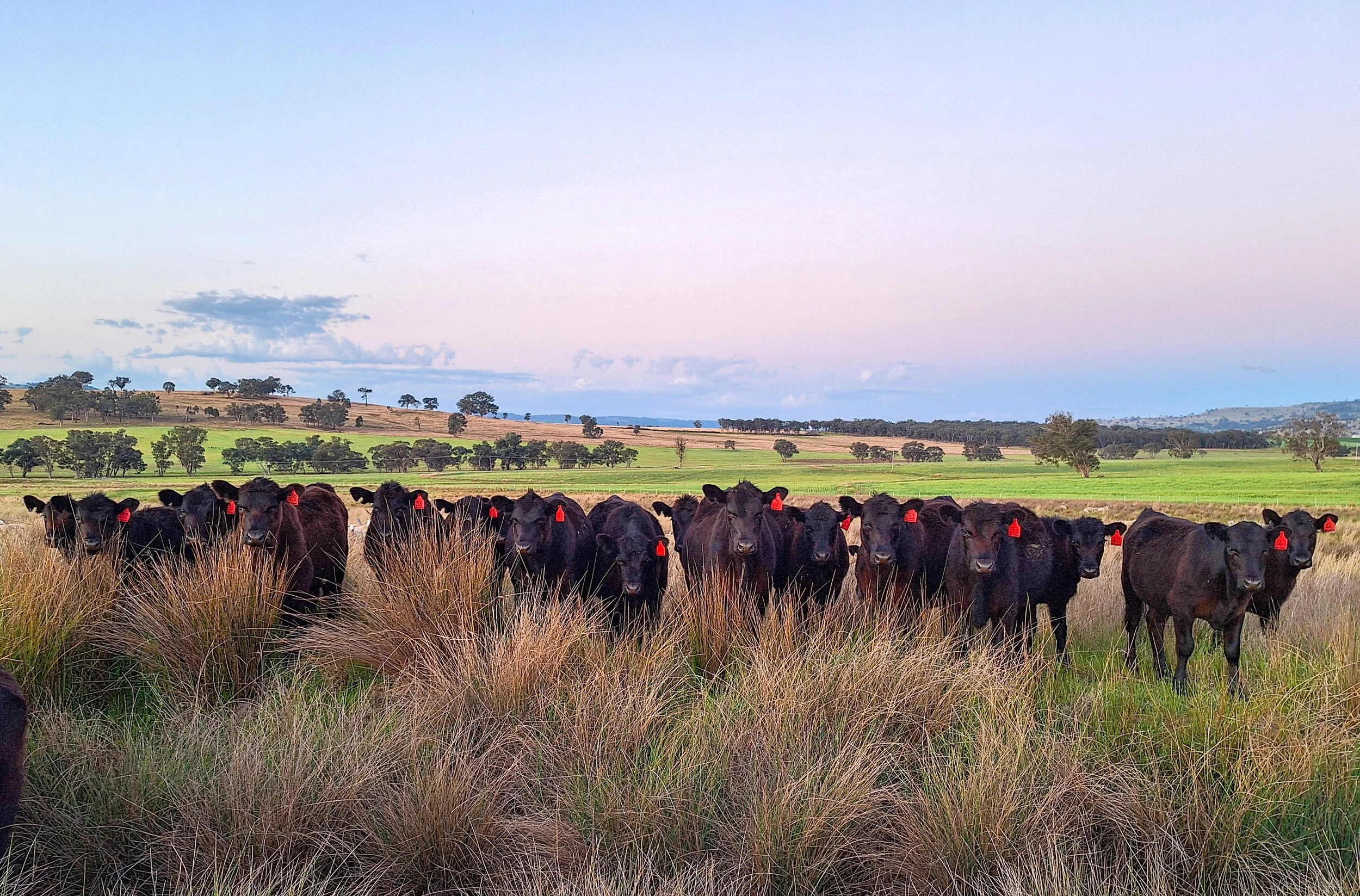
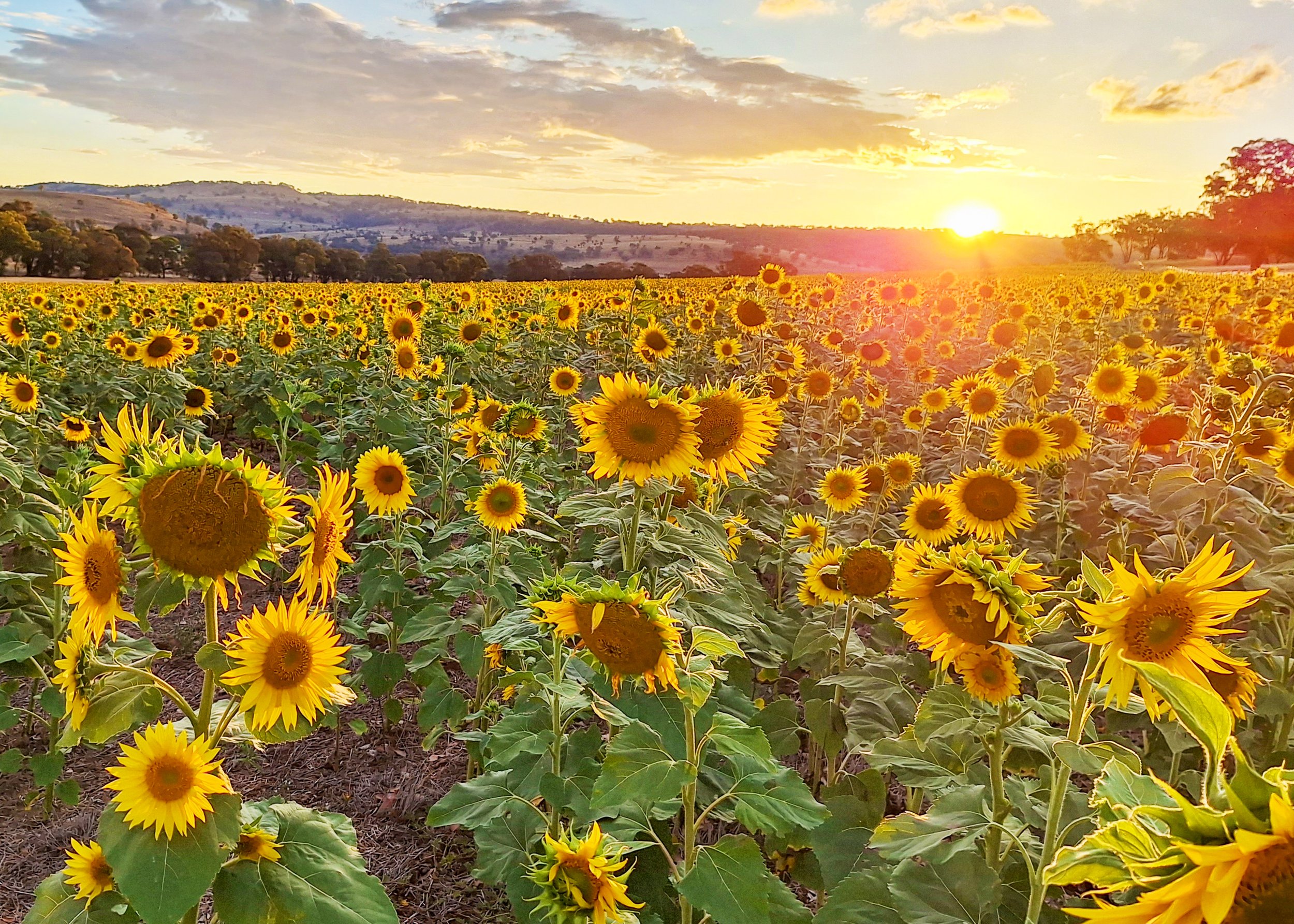
The farm also runs 100% grass fed and finished Angus cattle and Aussie White sheep, and pasture raised heritage breed pigs. We also grow some cereal crops for livestock feed for use in our pig and hen supplements. All enterprises work together to create a more sustainable farming future.
Learn more about our hens here.
Farming principles
There are 6 principles of regenerative farming that guide our decisions and practices. Briefly, these are:
Context - know and understand the constraints eg. Soil type, rainfall, seasons, finances etc and farm appropriately according to our purpose and desired outcomes
Minimise soil disturbance - this is necessary for building healthy biologically active soil. Things like zero till, no synthetic fertilisers or pesticides all to ensure we look after the microbes in the soil
Diversity - plant diversity in our pastures and crops. Nature is not a monoculture. Even our "cash crops" will usually be a mix of plant species and then we let grow what comes... natures own seed mix is a cheap option!
Armour on the soil surface - keeping adequate ground cover is vital for pasture health, erosion control, weed and pest pressure, moisture retention, ground temperature etc. Grazing management is key.
Maintain living roots - this is for nutrient cycling and to feed the microbes. This is things like no fallow period, growing cover crops etc.
Integrate livestock - livestock trigger a microbial process when they graze a plant. They are largely inefficient and add fertiliser as they go. Then we love to look after the dung beetle to help cycle nutrients back into the soil.